Artistic Research Methodology
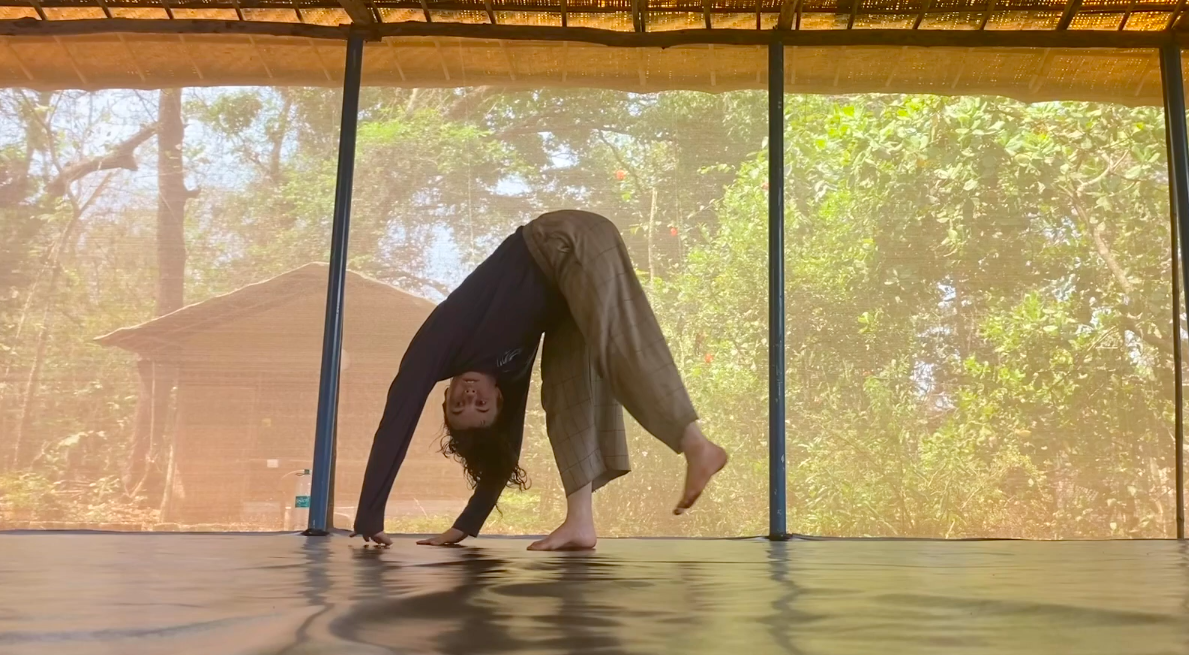
My practice operates through embodied research — a process where choreography develops through sustained physical investigation rather than predetermined movement outcomes.
Research begins in the studio through technical training, repetition and skill development drawn from contemporary dance and martial arts systems. These practices inform how the body distributes weight, redirects force and makes decisions in real time. Improvisation functions as both a creative and analytical tool, allowing movement principles to be tested, refined and re-integrated into choreographic structure.
Each development period operates as a choreographic laboratory combining:
daily physical conditioning and technical refinement
improvisational scoring and compositional testing
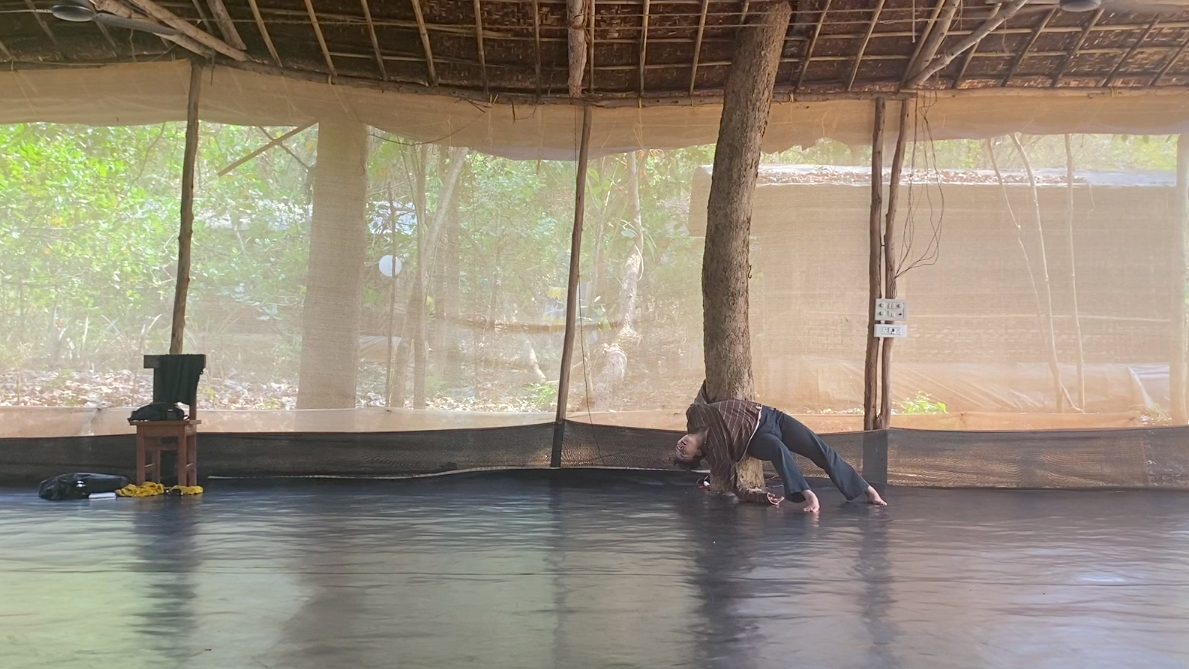
interaction with objects, partners or environments
adaptation of material across different spatial conditions
reflection and documentation following each session
Documentation — including written reflection, photography and video — forms a parallel research stream. Rather than serving promotional purposes alone, documentation tracks shifts in thinking, physical discoveries and compositional evolution across time and location.
A key aspect of this methodology is site responsiveness. Movement material is continuously tested beyond traditional dance studios, particularly within outdoor and civic environments where unpredictability influences choreographic decision-making.
Through this process, choreography emerges gradually: shaped by accumulated practice, embodied knowledge and ongoing dialogue between disciplines.